Affect Heuristic
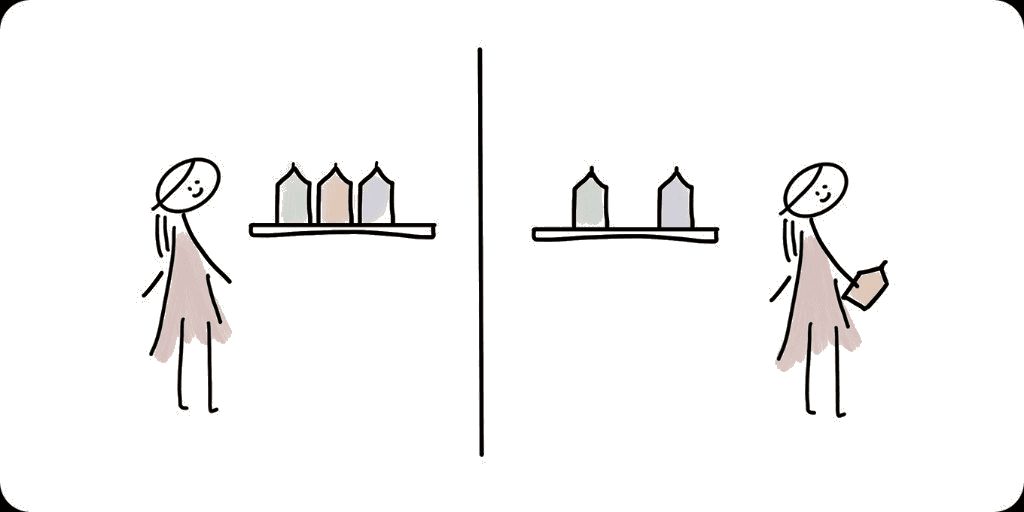
People often make decisions based on how they feel rather than what they know. This mental shortcut relies on emotional impressions to guide judgment quickly — especially when time or effort is limited.
What Is It?
People often make decisions based on how they feel rather than what they know.
This mental shortcut relies on emotional impressions to guide judgment quickly — especially
when time or effort is limited.
For example, you might avoid a restaurant just because it looks slightly unclean, even if its
reviews are excellent.
History
The concept was introduced by psychologists Paul Slovic, Melissa Finucane, Ellen Peters,
and Donald MacGregor in the early 2000s.
Their research showed that emotions often dominate rational thinking in decision-making,
influencing everything from risk perception to consumer behavior.
The Psychology Behind It
- •Emotions act as a filter that speeds up decision-making.
- •Positive feelings create perceived safety and trust, while negative feelings trigger avoidance or caution.
- •Under pressure, the brain relies more on emotional signals than logic.
- •This helps in quick reactions but can also lead to biased or impulsive choices.
Why It Matters
- •Helps users make quick judgments
- •Shapes trust and brand preference
- •Can lead to impulsive decisions
- •May distort risk perception or accuracy
How to Apply It
- •Use emotion-driven design to guide attention and trust
- •Pair emotional appeal with transparent facts and clear outcomes
- •Avoid manipulative or fear-based triggers
- •Use colors, tone, and imagery that match desired emotions
Theory in Action
Nike evokes ambition and identity through emotional storytelling rather than product specs.
Disneyland uses nostalgia and joy to create lasting emotional bonds with visitors.
Final Thought
Emotion moves users before logic does. Design experiences that feel right first, then prove right through clarity and transparency.