Anthropomorphism
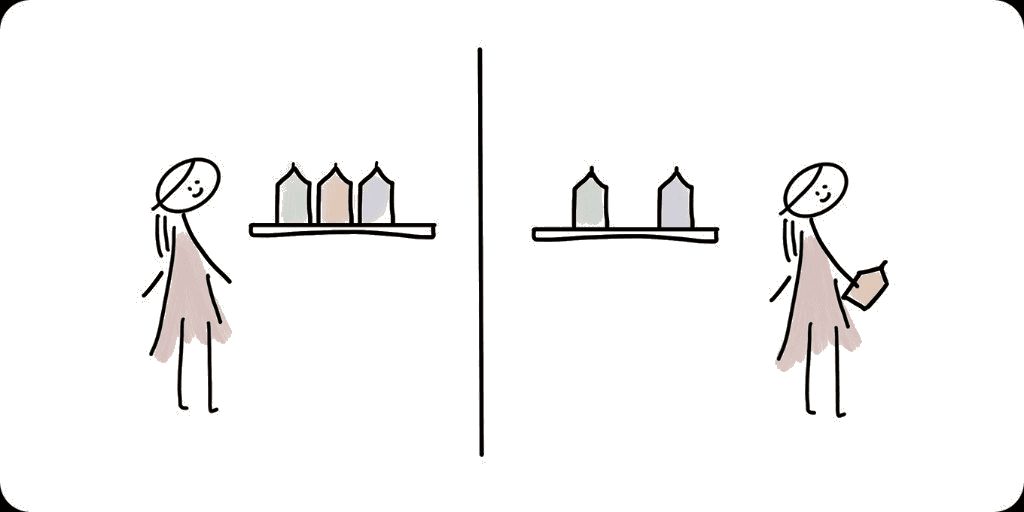
Anthropomorphism is the tendency to assign human traits, emotions, or intentions to non-human entities. In UX, this means giving digital products a human touch — a friendly tone, expressive character, or emotional cue — that helps users feel connected.
What Is It?
Anthropomorphism is the tendency to assign human traits, emotions, or intentions to
non-human entities.
In UX, this means giving digital products a human touch — a friendly tone, expressive character,
or emotional cue — that helps users feel connected.
For example, you might prefer a chatbot that says, “Oops! I forgot something,” instead of
showing a cold “404 Error.”
History
The concept originates from ancient philosophy and religion, where gods and objects were
described with human qualities.
In psychology, it was explored by E. B. Tylor (1871) and later developed by Guthrie (1938),
who noted that humans attribute human-like qualities to inanimate things to make sense of the
world.
Today, it’s widely used in human-computer interaction (HCI) and UX design to build
emotional rapport between users and systems.
The Psychology Behind It
Humans are social beings — we respond instinctively to empathy, personality, and warmth.
When an interface mimics human behavior through tone or visuals, users experience familiarity
and trust.
However, this same bias can backfire if the product behaves unpredictably or feels too “human,”
leading to discomfort or broken trust.
Why It Matters
- •Builds emotional connection and loyalty
- •Improves user trust and engagement
- •Makes digital experiences more memorable
- •Risk of discomfort or confusion if overused
How to Apply It
- •Use empathy-driven copy — humanize microcopy in errors, empty states, and onboarding.
- •Show light personality — subtle humor or expressive visuals that fit your brand tone.
- •Maintain consistency — keep the same voice throughout the experience.
- •Set clear boundaries — users should feel warmth, not deception.
- •Prioritize clarity over charm — usefulness always comes first.
Theory in Action
Duolingo’s owl mascot adds playful emotion and motivation, encouraging daily engagement.
Toyota’s Kirobo robot uses facial expressions and speech to create companionship and emotional connection with drivers.
Final Thought
A touch of humanity can turn a static interface into a meaningful experience. Design products that feel human enough to connect — but not so human that they confuse.