Autonomy Bias
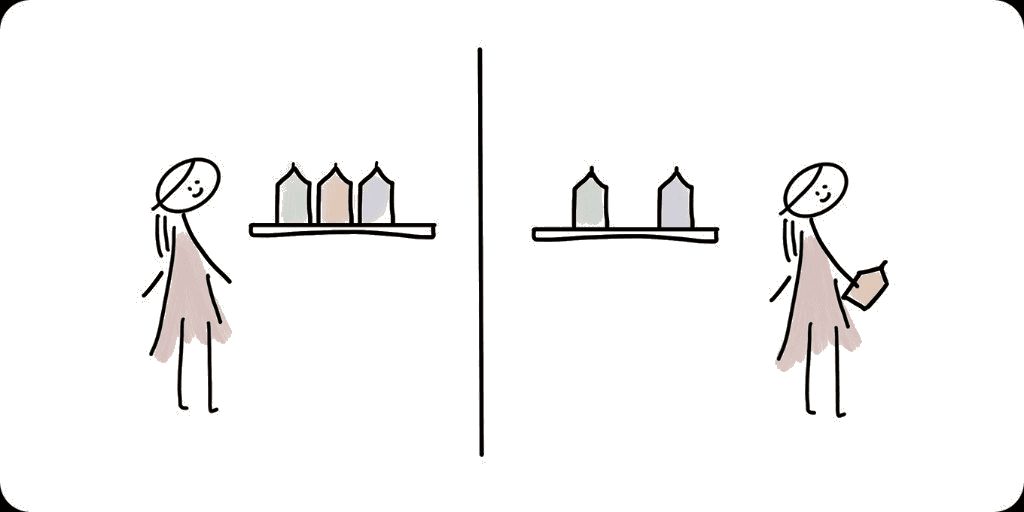
Autonomy Bias describes the human preference for control and self-direction. People feel happier, more engaged, and more motivated when they believe they’ve made their own choices — even if those choices aren’t objectively better.
What Is It?
Autonomy Bias describes the human preference for control and self-direction.
People feel happier, more engaged, and more motivated when they believe they’ve made their
own choices — even if those choices aren’t objectively better.
For example, when a website lets users customize their meal plan instead of forcing a preset
one, they’re more likely to stick with it and feel satisfied.
History
The concept of autonomy has deep roots in self-determination theory (Deci & Ryan, 1985),
which highlights autonomy as one of the three core human needs — alongside competence and
relatedness.
Psychologists found that when people perceive freedom in decision-making, they experience
greater intrinsic motivation and satisfaction, even in constrained environments.
The Psychology Behind It
Humans naturally resist control and value freedom of choice.
When users feel ownership over decisions, it triggers intrinsic motivation and trust in the
product.
Conversely, when autonomy is restricted — through forced flows, rigid defaults, or lack of
transparency — users experience frustration and disengagement.
Why It Matters
- •Builds stronger emotional connection and trust
- •Increases satisfaction and perceived value
- •Encourages engagement and long-term retention
- •Reduces frustration from feeling “forced” or limited
How to Apply It
- •Provide meaningful options — Let users choose modes, layouts, or settings.
- •Personalize with consent — Ask before tailoring experiences or content.
- •Offer flexible paths — Include skip, edit, or alternative routes.
- •Be transparent about restrictions — Explain why a choice is required.
- •Encourage customization — Let users adjust dashboards, filters, or preferences.
Theory in Action
Spotify allows users to create and share playlists, building a strong sense of ownership and connection.
Build-A-Bear empowers children to choose every detail, from outfits to voice sounds — creating emotional attachment through autonomy.
Final Thought
When users feel in control, they feel respected. Design experiences that guide without forcing — where users shape their journey instead of following yours. Empowerment builds trust, and trust builds loyalty.