Ben Franklin Effect
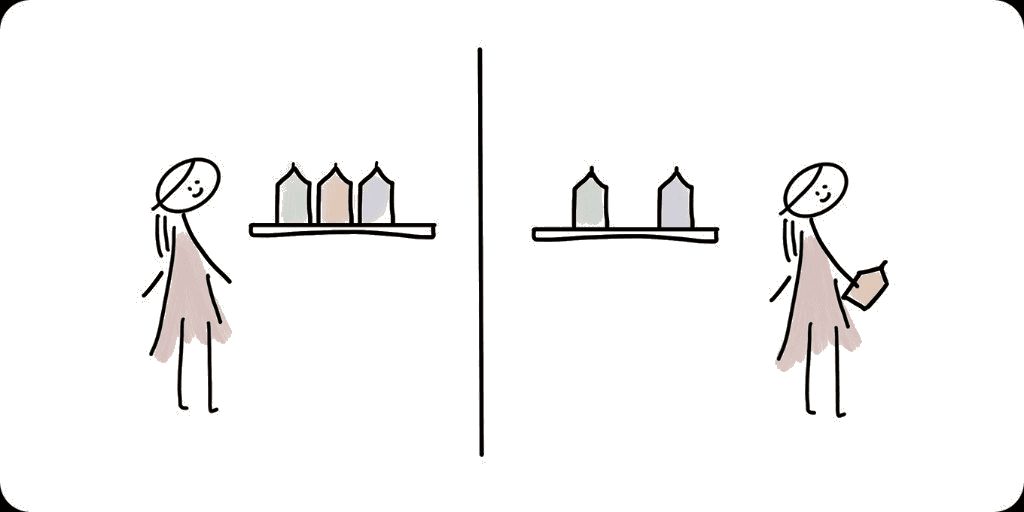
The Ben Franklin Effect describes how people tend to like someone more after doing them a favor. When we help others, our brain subconsciously assumes we must like them — otherwise, why would we have helped?
What Is It?
The Ben Franklin Effect describes how people tend to like someone more after doing them a
favor.
When we help others, our brain subconsciously assumes we must like them — otherwise, why
would we have helped?
For example, if you lend a colleague your charger, you may later feel warmer or more positive
toward them, even if you barely knew them before.
History
Named after Benjamin Franklin, who observed that asking a rival legislator to lend him a rare
book surprisingly turned the man into an ally.
The phenomenon was later studied in social psychology as a form of cognitive dissonance
reduction — where our mind adjusts beliefs to align with our actions.
The Psychology Behind It
When our actions (doing a favor) and feelings (disliking someone) conflict, it creates cognitive
dissonance — mental discomfort.
To resolve it, the brain changes how we feel:
“If I helped them, I must actually like them.”
This bias strengthens emotional bonds, trust, and cooperation — making it a powerful tool in
both human relationships and product design.
Why It Matters
- •Builds stronger emotional connections
- •Increases user engagement and loyalty
- •Encourages reciprocity and positive association
- •Risk of manipulation if overused
- •Can backfire if users feel exploited or unappreciated
How to Apply It
- •Ask for small favors early — Encourage users to take micro-actions like giving feedback or sharing a post.
- •Invite contribution — Let users add reviews, photos, or ideas to feel part of the product’s growth.
- •Show appreciation — Acknowledge even small inputs with messages or small rewards.
- •Make users feel needed — Phrases like “Help us improve” or “We value your opinion” nurture connection.
Theory in Action
Airbnb builds engagement through small user actions like messaging hosts or leaving reviews, turning users into active community members.
Coca-Cola’s “Share a Coke” campaign asked people to find and share bottles with their names — creating emotional investment through small, personal actions.
Final Thought
People love feeling helpful. When you invite users to contribute — even in small ways — you’re not just earning engagement; you’re earning emotional investment. Small favors build big loyalty.