Cashless Effect
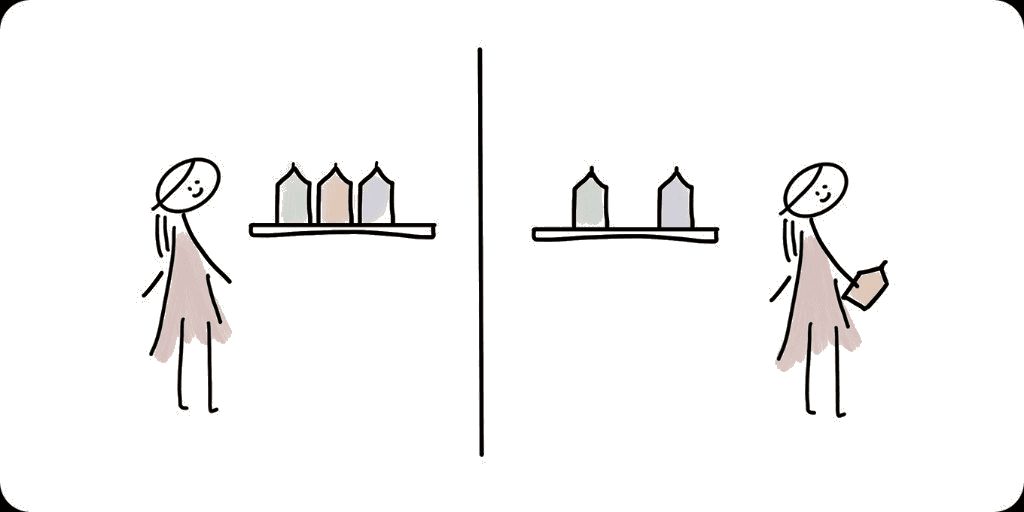
People spend more when using digital payments. When money feels less tangible, it becomes easier to part with. For example, you might splurge on dinner when paying by card — but hesitate if you had to hand over cash.
What Is It?
People spend more when using digital payments.
When money feels less tangible, it becomes easier to part with.
For example, you might splurge on dinner when paying by card — but hesitate if you had to
hand over cash.
History
The term stems from research by Drazen Prelec and Duncan Simester (MIT, 2001), who
found that people are willing to pay up to twice as much when using credit cards versus cash.
The key reason: digital payments reduce the “pain of paying.”
The Psychology Behind It
Paying with cash creates a physical sense of loss, activating pain-related brain regions.
Digital payments, however, separate the act of paying from the emotional experience of loss.
This disconnect makes spending feel frictionless and less real — boosting both convenience
and consumption.
Why It Matters
- •Encourages impulsive purchases
- •Increases overall spending
- •Lowers emotional awareness of cost
- •Creates satisfaction short-term, regret long-term
How to Apply It
- •Show spending transparency — Use order summaries, breakdowns, and receipts.
- •Add mindful friction — Include confirmations or spending limits.
- •Offer rewards responsibly — Use loyalty points and cashbacks to promote awareness, not overuse.
- •Encourage budgeting — Provide spending insights and alerts.
Theory in Action
PayPal makes payments effortless — users spend more due to frictionless flow and perceived security.
Starbucks prepaid cards encourage top-ups and frequent purchases, creating a “set it and forget it” cycle.
Final Thought
The cashless world is built for convenience — but also for consumption. Designers should balance ease with awareness, helping users spend consciously without losing the magic of frictionless design.