Chronoception Tip
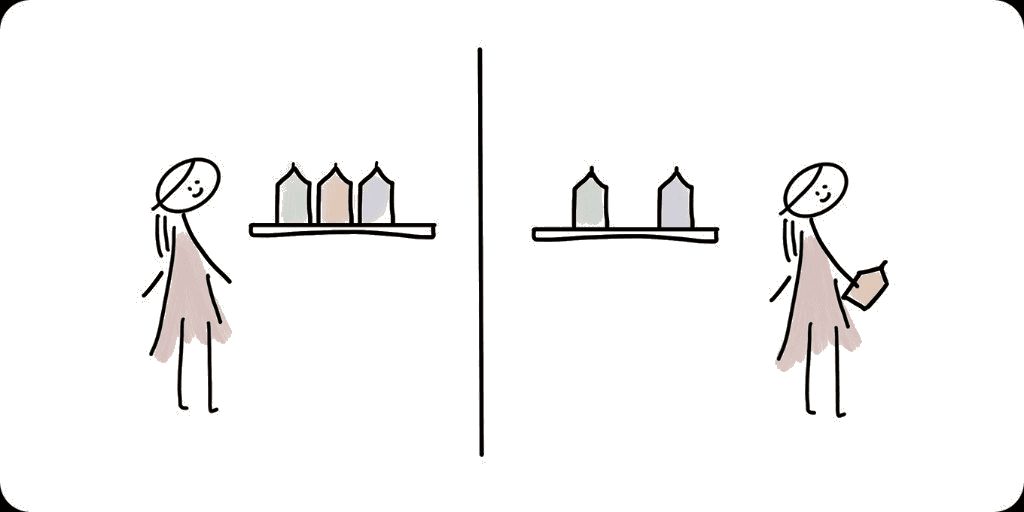
People perceive time subjectively. Our sense of how long something takes depends not only on the clock but also on what we’re doing and how we feel. For example, standing in a queue can feel endless, while scrolling on your phone makes half an hour vanish before you even notice.
What Is It?
People perceive time subjectively. Our sense of how long something takes
depends not only on the clock but also on what we’re doing and how we feel.
For example, standing in a queue can feel endless, while scrolling on your phone
makes half an hour vanish before you even notice.
History
The study of time perception, known as chronoception, has fascinated
psychologists for over a century. Early research in the 1800s by Gustav Fechner
and Wilhelm Wundt explored how humans estimate intervals. Later, in the 1960s
and 70s, models like the internal clock hypothesis suggested that people rely
on a kind of mental stopwatch, influenced by attention and emotions.
More recently, neuroscience has shown that multiple brain regions—such as the
basal ganglia and prefrontal cortex—work together to process time, explaining
why time can feel elastic depending on context.
The Psychology Behind It
Humans rely on perceived duration, the subjective interval between two events.
This perception shifts with factors like:
- Attention – focusing on time makes it feel slower.
- Emotions – stress or boredom stretches time, while fun compresses it.
- Engagement – immersive activities shorten perceived wait.
For designers, this means experience isn’t just about actual speed but about how
users feel the passage of time.
Why It Matters
If users feel time drags in your product, the result can be:
- Increased bounce rates
- Lower engagement
- Frustrated users
- Reduced satisfaction
- Missed conversions
How to Apply It
- Streamline and connect processes → Use progress bars, skeleton screens,
or loading animations.
- Keep users engaged → Add interactive elements, gamification, or storytelling.
- Manage expectations → Display estimated wait times or task breakdowns.
- Optimize performance → Faster responses still matter, even if perception
tricks help.
Theory in Action
- Netflix keeps people hooked by autoplaying the next episode, minimizing
perceived waiting time between shows.
- Private medical centers display the current patient number on a screen, giving
others a clearer sense of how long they’ll wait.
Final Thought
Everyone experiences time differently. But by shaping how users perceive waiting, you can replace frustration with flow. The key isn’t just speed—it’s making time feel effortless.