Cognitive Load Tip
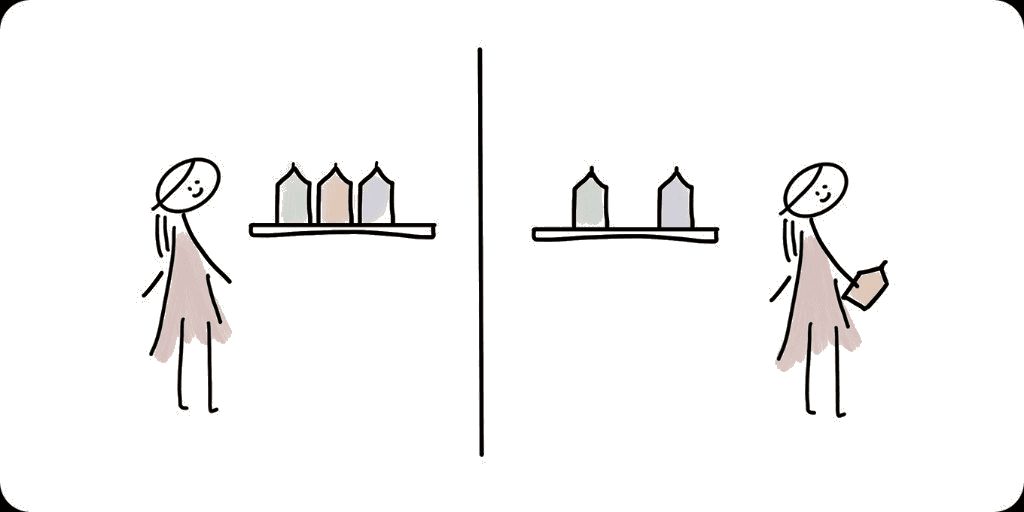
The amount of brainpower used to complete a task. Cognitive load is the strain on your working memory at a given moment. For example, think back to school when you tried solving a tough math problem right after learning a new concept.
What Is It?
The amount of brainpower used to complete a task.
Cognitive load is the strain on your working memory at a given moment.
For example, think back to school when you tried solving a tough math problem
right after learning a new concept. The effort and mental strain you felt was
cognitive load in action.
History
The concept of cognitive load was introduced by John Sweller in the late 1980s
as part of Cognitive Load Theory (CLT). His work showed that the human brain
has limits when processing new information.
He identified three main types of load:
- Intrinsic load → the natural difficulty of the task.
- Extraneous load → distractions or poor design that make learning harder.
- Germane load → mental effort used to build understanding.
Since then, CLT has shaped how teachers, designers, and businesses present
information in simple, structured ways.
The Psychology Behind It
Research shows our working memory can typically hold 5–7 pieces of
information at once. When overloaded, people struggle to process, remember,
and perform tasks correctly.
High cognitive load leads to:
- Slower decision-making
- Higher error rates
- Frustration and disengagement
Why It Matters
Unmanaged cognitive load can cause:
- Confusion and mistakes (like filling forms incorrectly)
- Lower retention and recall
- Message dilution (important details get lost)
- User drop-offs from frustration
How to Apply It
- Simplify tasks → break complex steps into smaller chunks.
- Use visuals → diagrams, charts, and images aid memory.
- Limit distractions → avoid unnecessary pop-ups or clutter.
- Provide guidance → step-by-step instructions and clear menus.
Theory in Action
- Duolingo keeps lessons light and engaging by breaking content into small,
gamified steps instead of overwhelming learners.
- IKEA manuals use simple diagrams with minimal text so users can build
furniture confidently without mental overload.
Final Thought
Too much information makes tasks harder, while the right amount boosts clarity and performance. The mantra is simple: “Less is more.” Present just enough to engage and guide without overwhelming. Finding this balance keeps users focused, confident, and successful.