Concrete Language Tip
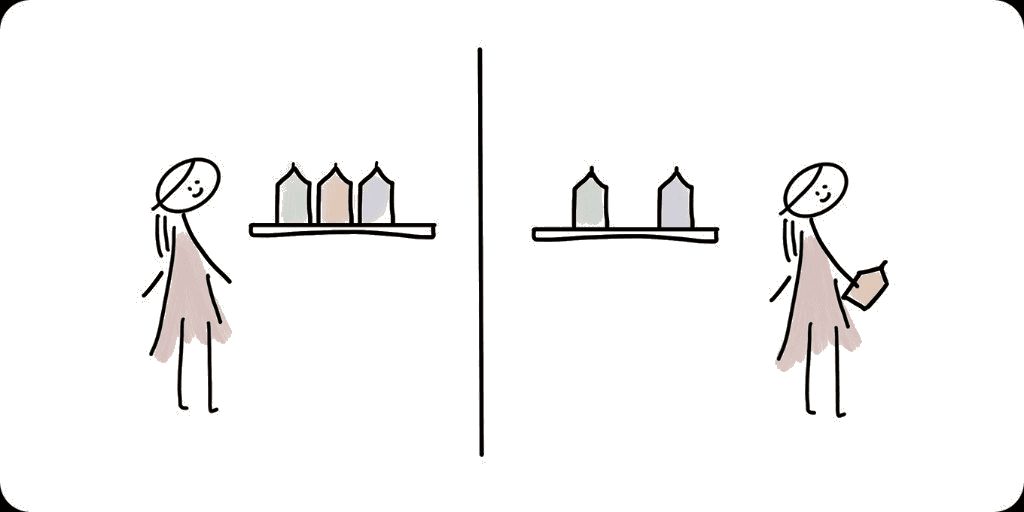
Clear, specific words are easier to understand and remember. People grasp and recall concrete information better than vague or abstract terms.
What Is It?
Clear, specific words are easier to understand and remember.
People grasp and recall concrete information better than vague or abstract terms.
For example:
- “Upload a photo of your dog” → clear and memorable
- “Share your pet’s content” → vague and harder to act on
History
The importance of concreteness has roots in memory and linguistics research.
Studies in the 1970s showed that concrete words (like “apple” or “chair”) are
remembered more easily than abstract ones (like “justice” or “freedom”).
This became known as the concreteness effect, a well-documented finding in
cognitive psychology. Today, it’s applied widely in education, advertising, and UX
writing.
The Psychology Behind It
The brain loves sensory-rich details because they connect to real-world
experiences. Abstract terms like “optimize” or “maximize” may sound impressive,
but they don’t always create clear mental images.
Concrete language makes ideas easier to:
- Understand quickly
- Remember longer
- Act on with confidence
Why It Matters
Using vague or abstract words can cause:
- User confusion
- Higher error rates
- Drop-offs from unclear calls to action
- Frustration with “corporate jargon”
How to Apply It
- Use plain, specific words → “Add to Wishlist” instead of “Save”
- Label clearly → buttons, menus, and features should reflect real actions
- Support with visuals → icons, illustrations, and examples
- Ground in real-world behavior → tie actions to everyday tasks
- Cut the fluff → avoid overused buzzwords or vague corporate terms
Theory in Action
- Canva uses clear icons (docs, whiteboards, presentations) and specific actions
like “Create a design” to guide users.
- Home Depot labels product aisles with simple, descriptive words so shoppers
find what they need instantly.
Final Thought
Clarity comes from concreteness. When users instantly understand what to do, they feel confident and act faster. Give people language and visuals they can relate to—and they’ll never feel lost.