Counterfactual Thinking Tip
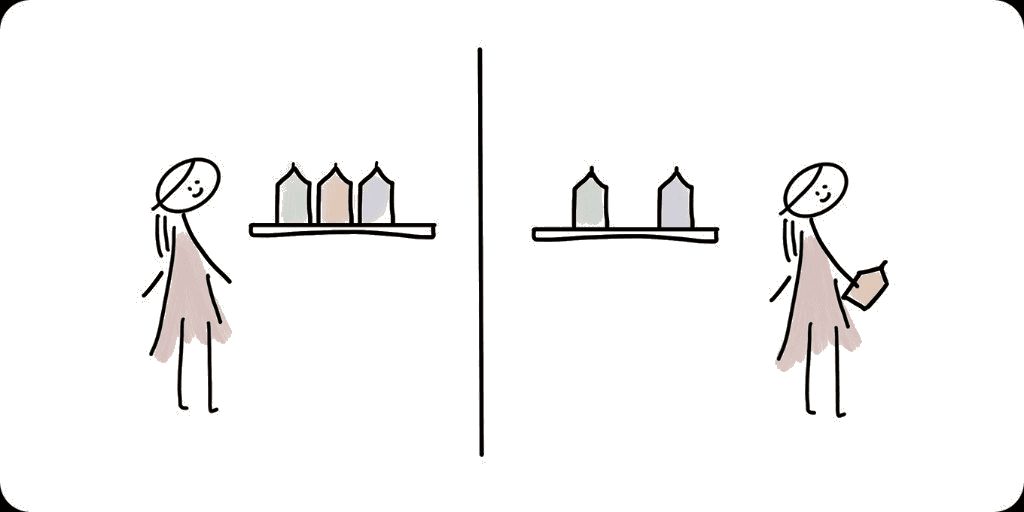
Imagining different outcomes from past events. People often think about what could have happened instead of what actually did. For example, after a frustrating checkout in an app, you might think: “If only the payment screen had a progress bar, I wouldn’t have backed out.
What Is It?
Imagining different outcomes from past events.
People often think about what could have happened instead of what actually did.
For example, after a frustrating checkout in an app, you might think:
“If only the payment screen had a progress bar, I wouldn’t have backed out.”
History
The term “counterfactual thinking” comes from cognitive psychology research in
the 1980s and 1990s. Studies showed that when people reflect on negative
experiences, they often imagine better alternatives (“If only...” thoughts).
While it can cause regret, it also helps people—and businesses—learn from
mistakes and improve future decisions.
The Psychology Behind It
Our brains naturally replay events to imagine alternate outcomes, especially
when something goes wrong.
This type of thinking:
- Highlights frustration and regret
- Focuses on what could have been better
- Shapes future behavior (avoiding the same issue again)
In UX, this can affect whether someone gives your product another chance or
abandons it.
Why It Matters
Counterfactual thinking can lead to:
- Negative product associations
- Drop-offs and reduced loyalty
- Poor reviews or negative word-of-mouth
- Users avoiding your product in the future
How to Apply It
- Reduce friction points → make key actions simple and clear.
- Provide helpful cues → confirmations, progress bars, feedback.
- Learn from user pain → analyze drop-offs and improve flows.
- Add follow-ups → ask for feedback when users quit or abandon tasks.
Theory in Action
- Google Docs reduces regret by letting users undo, restore, or revisit previous
versions easily.
- Bath & Body Works eases post-purchase regret with a no-questions-asked
return policy, even without a receipt.
Final Thought
People often reflect on what they should have done. Instead of seeing this as negative, treat it as feedback. By fixing those pain points, you can turn regret into relief—and unhappy users into loyal fans.